Sewage or grinder pumps move raw sewage and unwanted water away from the home. Our pre-plumbed packages make selecting and installing the right equipment easy.
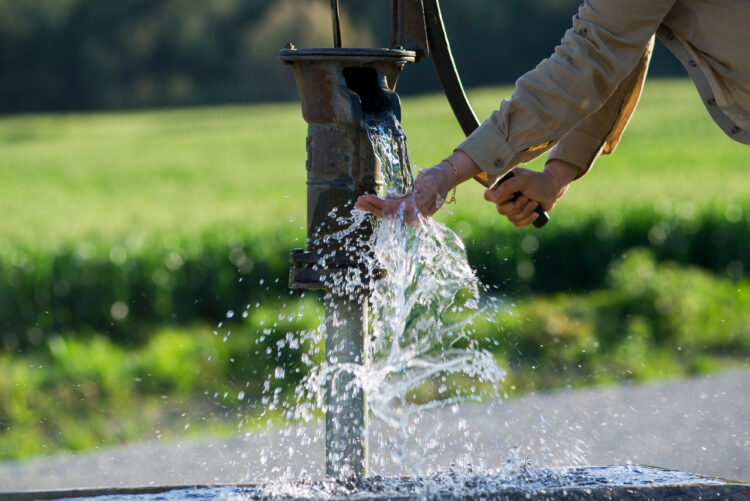
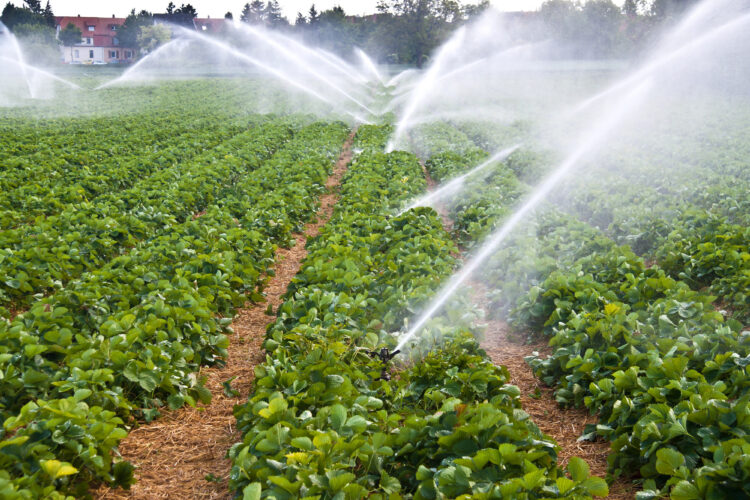
Flint & Walling offers a selection of reliable water pumps and systems designed to help you maintain lush lawns and vibrant gardens. Browse our catalog to find the product that suits your needs.
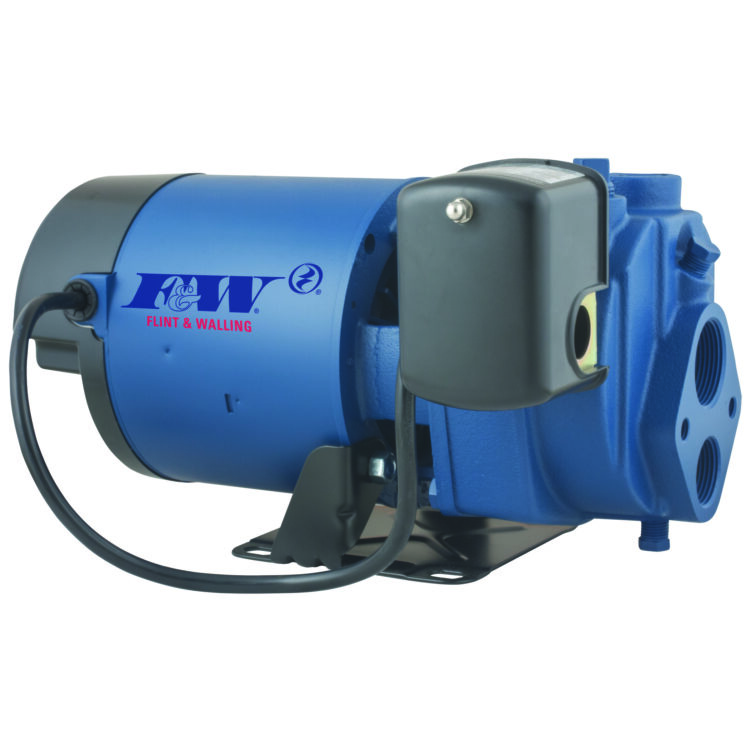
Flint & Walling has a selection of submersible pumps and jet pumps designed with robust components to deliver superior performance across a range of applications.
Elevate the appearance of parks, golf courses, and residential communities with decorative fountain pumps that combine stunning visual displays with continuous water circulation for improved water quality and aesthetics.
During storms, excess water can lead to flooding, pollution, and damage. We offer a range of pumps, containers, and controls to manage your stormwater effectively.
Designed for cleaning and maintaining tankless water heaters, the Scale Removal System efficiently circulates descaling solutions to remove mineral deposits and scale buildup. Regular flushing helps improve system efficiency, maintain consistent hot water performance, and extend equipment life.
Remove condensation from air conditioning equipment, condensing furnaces, dehumidifiers, ice makers, water coolers, and refrigeration systems when gravity flow is not an option.
From pressure boosting to maintaining constant pressure or regulating pressure, our range of water pressure booster pumps offer tailored solutions to tackle any challenge effectively.
Our tailored products ensure livestock comfort by providing reliable water supply solutions specifically designed for use in poultry houses and livestock environments
A car wash cannot perform efficiently with low water pressure. These products are a great solution for these applications where you need high and consistent pressure.
Designed for the demanding needs of commercial applications, these pump systems and packaged solutions provide reliable water and wastewater management, helping facility managers maintain uninterrupted operations and long-term peace of mind.
Our hazardous duty explosion-proof effluent and sewage pumps are rated for Class 1, Division 1, Groups C & D or Class 1, Zone 1, Groups IIA & IIB. Every pump is submerged in water and tested at the factory to ensure that it performs as expected when you receive it.
Designed for residential and community wastewater collection, low pressure sewer systems provide dependable wastewater transport, offering flexibility for difficult terrain, longer distances, and expanding developments.
Engineered for the demands of municipal operations, these pumping systems deliver dependable wastewater and stormwater management to support growing communities and critical public infrastructure.
There are three ways to size a sewage pump. Each method will provide an estimate of peak flow conditions.
1. Fixture unit calculation
This method uses the “Hunter Curves” for approximating water usage by a typical plumbing fixture. This is an acceptable way of estimating the pump flow requirement for residential and small commercial applications.
Larger Capacity System Chart
This is a derivation of the fixture unit method. It takes into consideration that in a high density environment, a ratio of plumbing fixture use can be applied to approximate peak flows. This method can be utilized for structures such as motels, apartment complexes, trailer parks, large office buildings, etc.
Population Method
A method of calculating demand used by civil engineers when designing municipal sewage systems. A gallon-per-day usage pattern is established for each type of building structure. Then, a peak factor is applied, which is spread over a 24-hour period. This method is used for homes and other residences where sewage f lows into a municipal sewage system. This method can only be used in those applications where a large basin is used.
Line Sizes
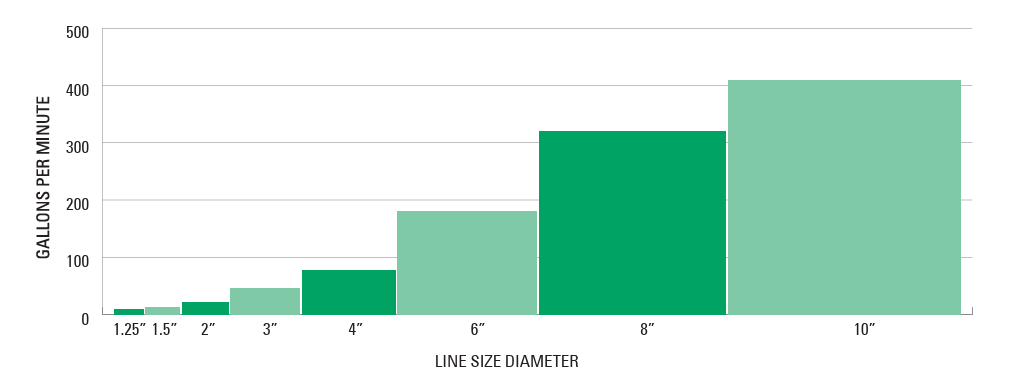
Regardless of what your peak flow requirement is for a given application, the pump must always be able to provide a minimum velocity of 2 feet per second through the line. Line sizes, with their accompanied minimum flow rates, are as follows:
Other Factors Concerning Pump Selection
1. The pump must be capable of pumping to the highest vertical point in the system
2. The Total Dynamic Head (TDH) in feet is the total resistance in the piping network which you are pumping against. Do not select a pump if the TDH is less than the minimum point shown on its curve.
3.Do not under-size the basin. If possible, always select a pump and basin assembly which allows for at least a 30-second pump cycle and no more than 6 starts per hour.
4.Always drill a vent hole in the discharge line between the pump and check valve. Air can interfere with the pump’s ability to work. In long horizontal runs of pipe, air relief valves may be required.
Have questions?
Contact us at https://zoellerpumps.com/contact-us/