Sewage or grinder pumps move raw sewage and unwanted water away from the home. Our pre-plumbed packages make selecting and installing the right equipment easy.
Flint & Walling offers a selection of reliable water pumps and systems designed to help you maintain lush lawns and vibrant gardens. Browse our catalog to find the product that suits your needs.
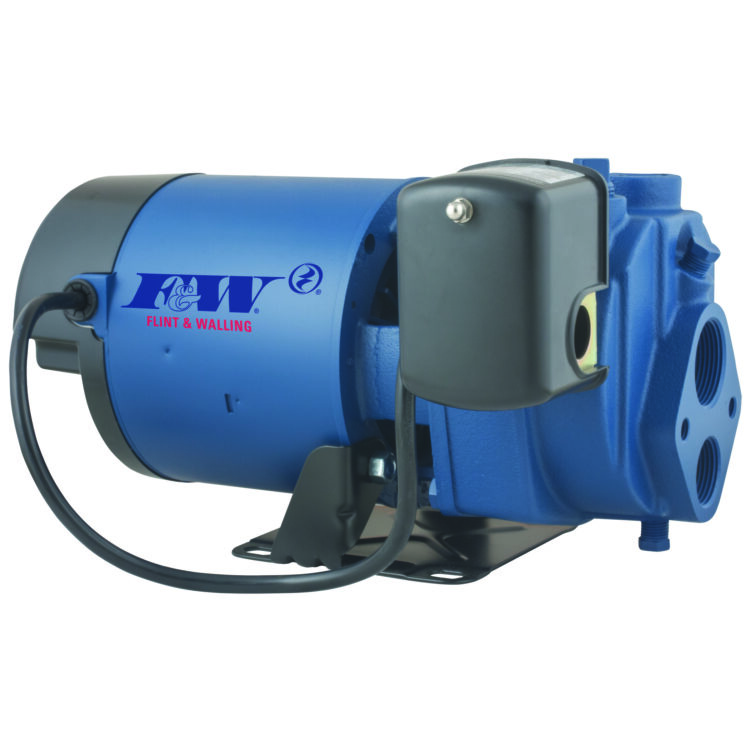
Flint & Walling has a selection of submersible pumps and jet pumps designed with robust components to deliver superior performance across a range of applications.
Elevate the appearance of parks, golf courses, and residential communities with decorative fountain pumps that combine stunning visual displays with continuous water circulation for improved water quality and aesthetics.
During storms, excess water can lead to flooding, pollution, and damage. We offer a range of pumps, containers, and controls to manage your stormwater effectively.
Designed for cleaning and maintaining tankless water heaters, the Scale Removal System efficiently circulates descaling solutions to remove mineral deposits and scale buildup. Regular flushing helps improve system efficiency, maintain consistent hot water performance, and extend equipment life.
Remove condensation from air conditioning equipment, condensing furnaces, dehumidifiers, ice makers, water coolers, and refrigeration systems when gravity flow is not an option.
From pressure boosting to maintaining constant pressure or regulating pressure, our range of water pressure booster pumps offer tailored solutions to tackle any challenge effectively.
Our tailored products ensure livestock comfort by providing reliable water supply solutions specifically designed for use in poultry houses and livestock environments
A car wash cannot perform efficiently with low water pressure. These products are a great solution for these applications where you need high and consistent pressure.
Designed for the demanding needs of commercial applications, these pump systems and packaged solutions provide reliable water and wastewater management, helping facility managers maintain uninterrupted operations and long-term peace of mind.
Our hazardous duty explosion-proof effluent and sewage pumps are rated for Class 1, Division 1, Groups C & D or Class 1, Zone 1, Groups IIA & IIB. Every pump is submerged in water and tested at the factory to ensure that it performs as expected when you receive it.
Designed for residential and community wastewater collection, low pressure sewer systems provide dependable wastewater transport, offering flexibility for difficult terrain, longer distances, and expanding developments.
Engineered for the demands of municipal operations, these pumping systems deliver dependable wastewater and stormwater management to support growing communities and critical public infrastructure.
When installing a bathroom or laundry area below your home’s main sewer line, you’ll need a system capable of pushing waste upward. Sewage ejector pumps and upflush toilet systems — sometimes referred to as toilet pump units — move wastewater up to the primary sewer line, enabling you to build that basement space you’ve always wanted. Since both solutions accomplish similar goals, it’s important to determine which one best suits your space.
Understanding Sewage Ejector Pumps
Sewage ejector pumps are designed to transport solids and liquids upward, typically from a sump pit located below your home’s main drain line. These pumps are commonly used in basement setups where gravity drainage isn’t an option. Without this type of system, waste can stagnate in pipes and lead to clogs or overflows.
Drain lines from basement fixtures are sloped to direct wastewater into the sump basin. As water rises to a certain level, a float activates the pump, propelling waste upward into the main sewer or septic system. Once levels recede, the float drops and the pump shuts off until it’s needed again.
Advantages and Drawbacks of Ejector Pumps
Sewage ejector systems offer a dependable, cost-friendly option for moving waste. They need minimal upkeep — usually just an annual check. That said, installation involves a few technical requirements:
Building codes: Always consult a certified plumber or your municipality to ensure compliance. Some areas require permits for installation.
Venting: These pumps must be vented to safely expel gases and balance internal pressure.
Check valves: A valve is essential to stop waste from flowing backward into the home and to block odors.
Sizing: Proper pump capacity depends on your setup — choosing the right size is critical for performance.
How Upflush Toilets Work
Upflush toilets provide a gravity-free alternative to traditional plumbing. Conventional toilets can’t function below a main drain line, but upflush systems come equipped with a built-in macerator pump that grinds waste before transferring it up to your sewer line. These units feature two tanks — one for water and one for the macerating mechanism.
Considerations When Choosing an Upflush Toilet
One of the top benefits of an upflush system is its flexibility — installation is simple and doesn’t require extensive plumbing work. These units can move waste up to 20 feet vertically. They’re also efficient, reliable, and often last more than a decade. Keep these factors in mind when shopping:
Initial cost: Upflush toilets tend to cost more upfront than conventional models.
Sound: The internal blades can be loud during operation.
Electricity: These systems require power to function.